
How to Choose the Best Memory Care in RI: Essential Tips
November 10, 2026
How to Choose the Best Nursing Homes in RI: Essential Tips
What Makes a Great Assisted Living Memory Care Facility in Rhode Island: Essential Features and Services for Families
Selecting an assisted living memory care facility in Rhode Island requires clear criteria and practical knowledge about services that affect daily safety and quality of life. This guide highlights what to evaluate: core services, dementia programs, safety features, staff qualifications, and practical steps families can use to compare providers. It links clinical and environmental elements so readers can judge how care contributes to better outcomes.
What Core Memory Care Services Should a Facility Provide?
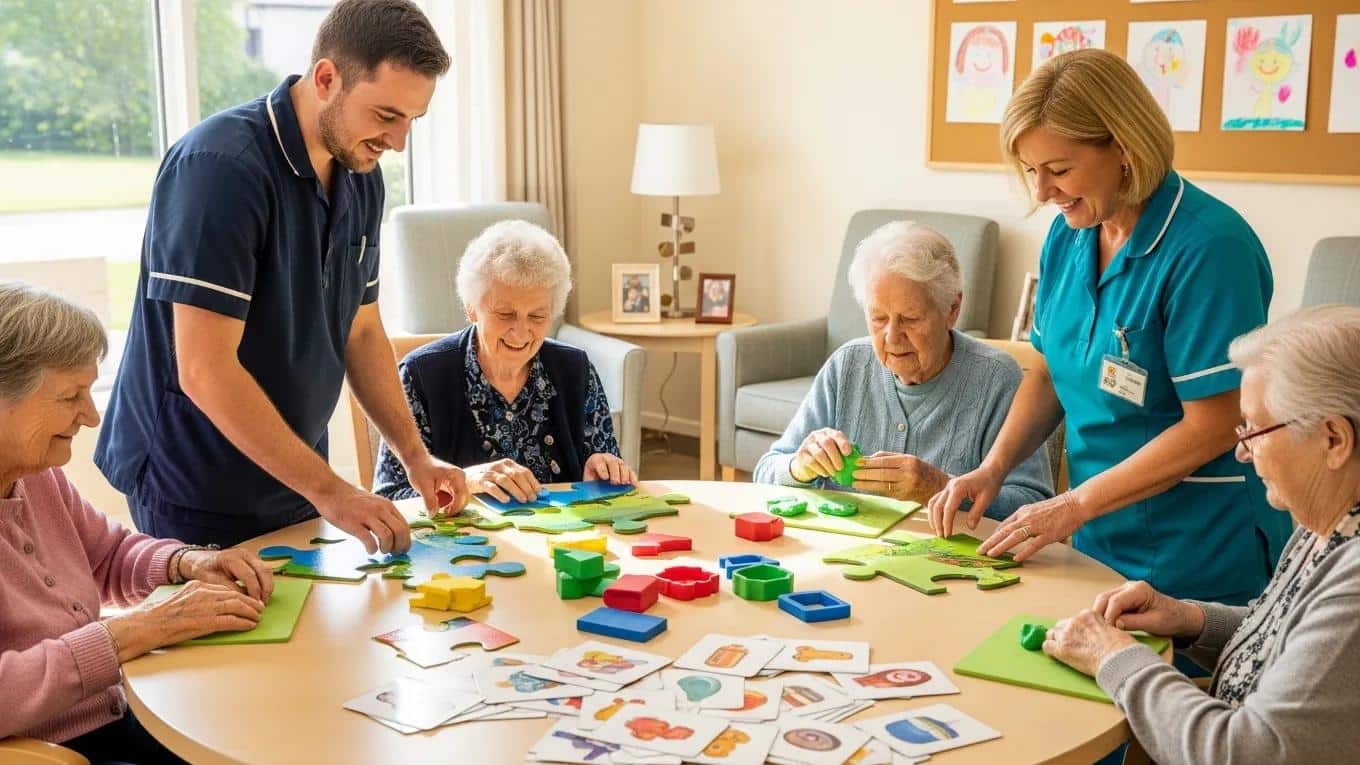
Core services combine individualized care plans with therapeutic routines to reduce confusion and preserve function. Expect cognitive stimulation, medication management, help with activities of daily living, and structured social engagement tailored to dementia care. High‑quality programs document daily routines, set individualized goals, and coordinate nursing, therapy, and activities staff to support different stages of cognitive decline.
Different programs prioritise distinct therapy combinations; the table below helps compare basic organization and benefits.
This table gives families a concise basis for comparing expected outcomes and service structure.
Briarcliff R.I. is a local real estate service that can help families evaluate neighborhood access and community amenities near memory care providers. While not a clinical service, local market knowledge clarifies proximity to services and housing transitions, helping families weigh location and lifestyle alongside clinical quality.
Which specialized dementia and Alzheimer’s care programs are offered?
Specialized programs use structured routines, behavior management, and therapeutic engagement (music, art, reminiscence, and small‑group cognitive work) to reduce anxiety and increase participation. Ask how programs are adapted across early, middle, and late stages and how care plans evolve as needs change; adaptability is a key marker of program quality.
Among therapeutic approaches, reminiscence therapy is widely employed to engage individuals with dementia.
Reminiscence Therapy for Dementia Care Homes
An updated Cochrane Review of reminiscence therapy (RT) for dementia, initially published in 1998 and last updated in 2005, describes RT as the discussion of past experiences using tangible prompts such as photographs or music to evoke memories and stimulate conversation. RT is implemented across a range of settings and formats. The review’s objective was to assess RT’s effects on people living with dementia and their carers, taking into account variations in implementation, including care‑home versus community settings and group versus individual modalities. Reminiscence therapy for dementia, L O’Philbin, 2018
Specialized programs commonly include the following elements:
- Structured daily routines that reduce confusion and disorientation.
- Therapeutic activities such as music therapy and memory-focused exercises.
- Personalized life-history approaches that preserve identity and familiarity.
Combined, these elements create a consistent environment that preserves dignity and reduces behavioral triggers.
How do memory care services support residents’ daily living and well-being?
Memory care translates clinical goals into daily routines and direct assistance that promote dignity and autonomy. Care teams provide individualized schedules, supervised dining, toileting and dressing help, and activities that reinforce retained abilities. Continuity of staff and consistent cues reduce stress and frustration; during visits, observe mealtime support, transfers, and opportunities for purposeful activity to assess practical care delivery.
What Safety and Security Features Ensure Resident Protection?
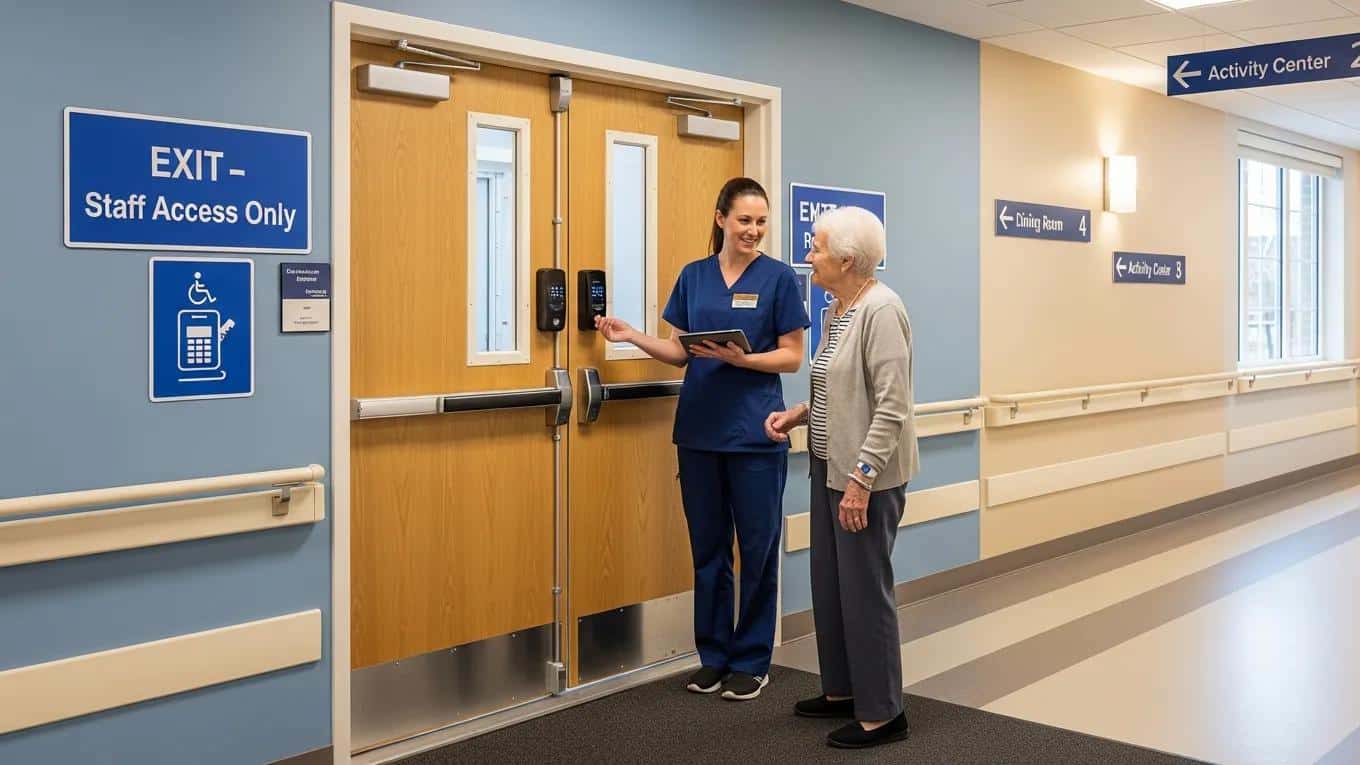
Safety features prevent elopement, reduce injuries, and enable rapid crisis response. Important elements include secured entrances, unobtrusive monitoring, non‑slip flooring, and therapeutic design choices that minimise confusion while preserving supervised freedom. Families should request safety protocols and observe design features that reduce falls and wandering.
Key safety features typically include:
- Secured entry and exit systems that prevent unsupervised wandering.
- Environmental design reducing trip hazards and visual clutter.
- Monitoring systems and discreet sensors to alert staff to movement concerns.
These measures protect residents without creating an institutional feel.
Use the table to compare how specific implementations produce measurable safety benefits.
How do facilities implement secure environments for memory care residents?
Secure environments are created through design, protocols, and discreet technology. Single‑level layouts, enclosed courtyards, and clear sightlines aid wayfinding. Protocols include scheduled checks, controlled access during high‑risk times, and staff training in non‑confrontational redirection. Technology supplements staff presence and enables targeted interventions when residents become disoriented.
What emergency response systems and safety protocols are standard?
Standard systems combine personal alert devices, staged staff responses, and evacuation plans tailored to cognitive impairment. Typical elements are in‑room call systems, mobile staff alerts, and scheduled rounds. Protocols specify rapid assessment, safe transfer methods, and family notification; regular drills keep responses calm and consistent.
What Qualifications and Training Should Memory Care Staff Have?
Qualified staff have formal caregiving credentials, dementia‑specific education, and experience in behavior management. Training should cover person‑centred care, communication strategies, fall prevention, and medication administration. Ask about baseline certification requirements and the frequency of refresher training to judge ongoing competence.
Essential staff qualifications often include:
- Basic caregiver certification plus dementia-specific coursework.
- Experience with behavior de-escalation and therapeutic engagement.
- Ongoing in-service training and competency assessments.
These qualifications support consistent, reliable daily care.
Which certifications and expertise are required for memory care professionals?
Professionals should hold recognised caregiving certifications and targeted dementia education showing competence in clinical and behavioral management. Look for person‑centred approaches, safe medication handling, and activity facilitation. Request examples of staff development programs and how expertise is sustained.
How does ongoing staff training improve quality of care?
Ongoing training keeps staff current with evidence‑based practices, reduces errors, and standardises compassionate responses. Regular education on communication, activity adaptation, and safety protocols reduces resident distress and incidents. Facilities with robust continuing education are more likely to adopt effective therapeutic approaches.
Research consistently emphasises the importance of specialised training in improving dementia care.
Essential Dementia Training for Care Staff
For people living with dementia, high‑quality care is essential; because dementia is not curable, care is provided by staff who require dementia‑specific training to improve quality of life. This article compares existing dementia‑specific training for nursing home staff with recommendations from the Alzheimer’s Association and the National Institute for Health and Care Excellence, based on current research, and discusses training outcomes. Dementia-specific training for nursing home staff: A systematic literature review, 2018
How Can Families Evaluate Assisted Living and Memory Care Options in Rhode Island?
Evaluate providers by observing practice, reviewing documents, and asking targeted questions about care delivery, safety, staffing, and resident quality of life. Use a checklist during visits to note mealtime assistance, activity participation, staff‑resident interactions, and orientation cues. Review care plans, staffing ratios, and emergency protocols to confirm practice matches policy, and speak with families of current residents when possible.
Identifying robust quality indicators is essential for families and professionals when evaluating dementia care effectiveness.
Quality Indicators for Dementia Care Services
This study evaluated the face and content validity, feasibility, and reliability of process quality indicators previously developed in the United States and other countries. The indicators are intended to assess care and services for vulnerable older adults with cognitive impairment or dementia within an integrated service system in Quebec, Canada. A panel of 33 clinical experts from three major urban centers in Quebec represented two medical specialties (family medicine, geriatrics) and seven health and social services specialties (nursing, occupational therapy, psychology, neuropsychology, pharmacy, nutrition, social work) across primary and secondary levels of care, including long‑term care.
Selecting process quality indicators for the integrated care of vulnerable older adults affected by cognitive impairment or dementia, E Kröger, 2007
A practical evaluation checklist should include:
- Direct observation of staff interactions and resident engagement.
- Verification of care plans and how they are updated.
- Review of safety systems and emergency response practices.
These steps help families form an evidence‑based impression of a facility’s daily operations.
What factors influence choosing the best memory care providers in RI?
Choice depends on reputation, cost, location, and demonstrable safety and care practices that meet clinical and lifestyle needs. Verify reviews with in‑person observations and documented protocols. Consider fees and covered services, then align clinical quality with logistical preferences such as proximity and amenities to find the best fit.
How do real estate listings and community features support senior living decisions?
Listings and community features clarify proximity to healthcare, transport, and services that shape daily life. They indicate walkability, nearby medical resources, and housing options for family, aiding transition planning. Community amenities affect social opportunities and routine maintenance; combine real estate insight with clinical comparisons for a complete view.
For families seeking comprehensive information on assisted living options, assisted living facilities offers resources and guidance to navigate choices.
Frequently Asked Questions
What should families consider when touring memory care facilities?
Observe staff‑resident interactions, cleanliness, and available activities. Note communication with residents, safety protocols, emergency systems, and how care plans are personalised. Take notes to compare facilities later.
How can families assess the quality of care provided in memory care facilities?
Review care plans, staff training records, and safety protocols. Observe routines, meals, and activities to judge engagement. Speak with current families and verify accreditations or certifications as quality indicators.
What role do family visits play in the well-being of memory care residents?
Family visits provide emotional support, reduce isolation, and maintain connections to personal history. Visits can reinforce social bonds and help staff tailor care to resident preferences.
Are there financial assistance options available for memory care services?
Options include Medicaid, long‑term care insurance, and state programs or grants. Consult financial advisors or social workers to identify suitable assistance for your situation.
How do memory care facilities support family involvement in care?
Facilities encourage family involvement through updates, care‑planning meetings, support groups, and educational resources. Family events and participation strengthen collaboration between families and staff.
What are the signs of quality memory care services?
Signs include well‑trained, compassionate staff, a clean and safe environment, tailored activities, clear safety protocols, ongoing staff training, and individualized care plans. Positive feedback and operational transparency further indicate quality.